Zero-based budgeting means every dollar of income gets assigned a specific job, bills, savings, spending categories, before the month starts, until income minus allocations equals exactly zero. Nothing is left unassigned. It gives more control than percentage-based methods but takes more upkeep, since it has to be rebuilt or adjusted each time income or expenses shift.
How to build one
- Start with this month's income. Use what you'll actually take home, not your salary.
- Fund fixed bills first. Rent, utilities, insurance, minimum debt payments.
- Fund savings next. Emergency fund, sinking funds, retirement.
- Assign the rest. Groceries, transport, personal spending, until nothing is unassigned.
- Adjust mid-month. If groceries run over, move money from another category. The total stays at zero.
Worked example
Income is $3,600. Rent $1,300, utilities $180, phone $60, car payment $320, insurance $150, groceries $500, gas $160, emergency fund $300, sinking funds $200, debt extra $200, personal $230. Total: $3,600. Income minus allocations is zero.
Zero-based vs. 50/30/20
The 50/30/20 rule sets three broad buckets and leaves the detail to you. Zero-based budgeting plans every category. It takes 30 to 60 minutes a month, but it shows exactly where money goes. Many people start with 50/30/20 and move to zero-based when they want tighter control or are paying off debt.
For business owners
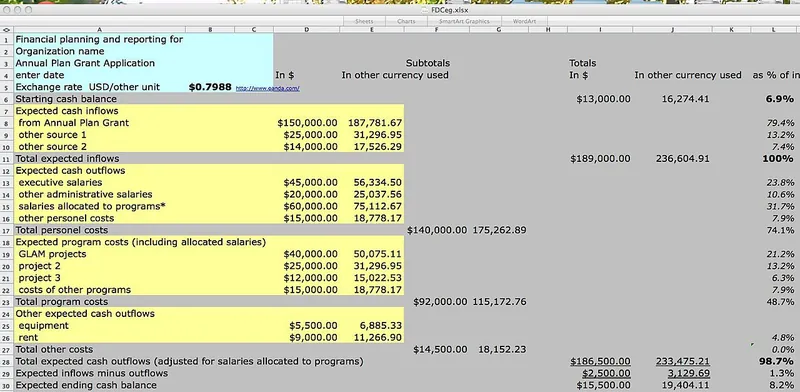
Companies use zero-based budgeting too: each department justifies every expense from scratch each period instead of rolling last year's budget forward. It's more work than incremental budgeting, but it tends to surface costs nobody has questioned in years.
Ready to build one? Follow how to make a zero-based budget, step by step.
Want a hands-on version? The envelope budgeting method applies the same give-every-dollar-a-job idea with physical or digital envelopes.