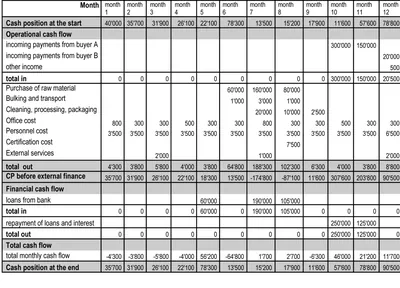
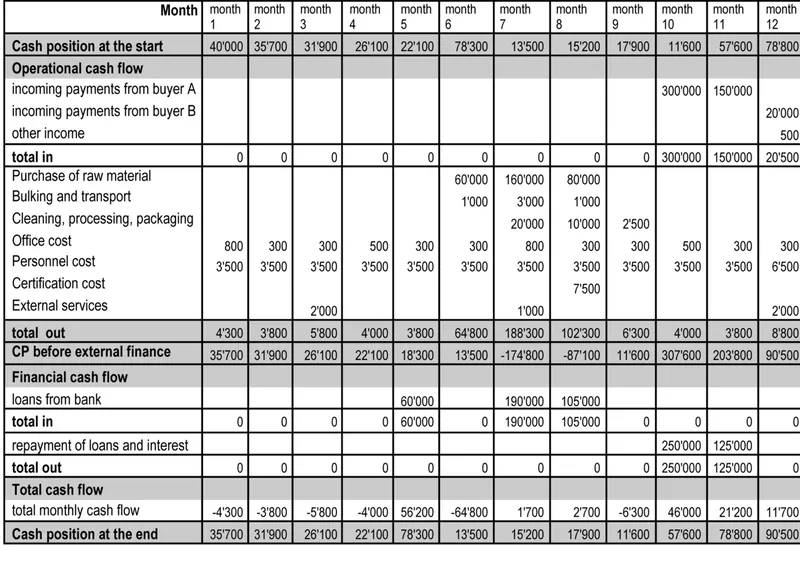
A cash flow forecast projects your future cash position by estimating inflows and outflows over a specific period. The most effective approach is a 13-week rolling forecast updated weekly with actuals.
Key Moves
- List all expected cash inflows by date (collections, new sales, other income)
- List all known outflows by date (payroll, rent, loan payments, vendor bills)
- Add variable expense estimates based on historical averages
- Calculate weekly net cash flow and cumulative balance
- Update weekly with actuals and adjust assumptions
See what to look for in forecasting software and Cash Flow Calculator for more on this.
Once a manual forecast is routine, software can keep it current. See how AI cash flow forecasting works and when it beats a spreadsheet.
Frequently Asked Questions
How far ahead should I forecast cash flow?
13 weeks is the sweet spot for operational decisions. 12 months for strategic planning. Daily for businesses in crisis.
What data do I need for a cash flow forecast?
Historical bank statements, accounts receivable aging, accounts payable, payroll schedule, loan payment schedule, and sales pipeline.
How accurate are cash flow forecasts?
With good data, 4-week forecasts are 80–90% accurate. 13-week forecasts are 60–75% accurate. Accuracy improves with regular updating.